
Kitchen Drawer Organization Ideas: 15 Smart Ways to Organize Every Drawer
Kitchen Drawer Organization Ideas
A well-organized kitchen can make cooking, cleaning, and everyday tasks much easier. While cabinets and countertops often receive the most attention, kitchen drawers can quickly become some of the most cluttered areas in the home.
Utensils get mixed together, small gadgets disappear under larger items, and the famous “junk drawer” can become a place where random objects accumulate. Fortunately, organizing kitchen drawers does not require a complete kitchen renovation or expensive storage products.
With a simple system, the right drawer organizers, and a little decluttering, you can turn even messy drawers into useful and easy-to-maintain storage spaces.
These kitchen drawer organization ideas will help you organize utensils, cooking tools, food storage supplies, spices, wraps, and other everyday kitchen essentials.
Quick Answer: How Do You Organize Kitchen Drawers?
The easiest way to organize kitchen drawers is to first empty each drawer and remove anything you no longer use. Group similar items together, assign each drawer a specific purpose, and use dividers, trays, or small containers to prevent items from shifting around.
Keep frequently used items in the most accessible drawers, and avoid filling every available inch of space. A little empty space makes drawers easier to maintain.
Kitchen Drawer Organization Ideas at a Glance
| Drawer Type | Best Items to Store | Helpful Organizer |
|---|---|---|
| Utensil drawer | Forks, spoons, knives | Adjustable utensil tray |
| Cooking tool drawer | Spatulas, tongs, whisks | Deep drawer dividers |
| Spice drawer | Spice jars and seasonings | Angled or tiered inserts |
| Wrap drawer | Foil, plastic wrap, bags | Built-in or separate dispenser |
| Food storage drawer | Lids and containers | Adjustable dividers |
| Junk drawer | Small household essentials | Small bins or compartments |
| Baking drawer | Measuring cups, spoons, tools | Drawer trays and dividers |
1. Start by Emptying Every Drawer
Before buying organizers or deciding where everything should go, take everything out of the drawer.
This gives you a clear view of what you actually own.
You may discover:
- Duplicate utensils
- Broken gadgets
- Expired items
- Tools you never use
- Random objects that do not belong in the kitchen
Place similar items together while sorting.
For example, create separate groups for:
- Everyday utensils
- Cooking tools
- Baking supplies
- Measuring tools
- Food storage items
- Spices
- Small household items
This step makes it easier to see how much storage space each category actually needs.
2. Give Every Kitchen Drawer a Specific Purpose
One of the simplest kitchen drawer organization ideas is to give each drawer one primary purpose.
Instead of allowing every drawer to hold a mixture of unrelated items, create clear zones.
For example:
- Drawer near the dishwasher: Everyday cutlery
- Drawer near the stove: Cooking utensils
- Drawer near the prep area: Knives and preparation tools
- Deep drawer: Pots, pans, or food storage containers
- Small drawer: Baking tools or spices
The exact layout will depend on your kitchen.
The goal is to store items close to where they are most often used.
This makes cooking more efficient because you spend less time walking around the kitchen looking for basic tools.
3. Organize Your Utensil Drawer With Dividers
A utensil drawer is often one of the easiest places to begin.
Instead of allowing forks, spoons, and other utensils to mix together, use a tray or drawer divider to create separate sections.
Common categories include:
- Dinner forks
- Knives
- Spoons
- Serving utensils
- Chopsticks or specialty utensils
Measure the inside of the drawer before purchasing an organizer. A beautiful tray is not useful if it wastes valuable space or does not fit properly.
Adjustable dividers can be especially useful because they allow you to customize the layout.
If the drawer is deep enough, consider using stacked or expandable organizers to make better use of the available space.
4. Keep Cooking Tools Near the Stove
Cooking tools should be stored where they are easiest to reach.
A drawer near the stove is ideal for items such as:
- Spatulas
- Tongs
- Whisks
- Wooden spoons
- Ladles
- Slotted spoons
Use a deep drawer with adjustable dividers if you have a large collection of cooking tools.
Long items can easily become tangled, so separating them into sections makes it easier to find what you need.
Avoid keeping too many duplicate tools. For example, you may not need five similar spatulas if you regularly use only two.
Reducing duplicates can make the drawer easier to organize than adding more storage products.
5. Create a Dedicated Spice Drawer
If you have enough drawer space, storing spices horizontally can make labels easier to read.
Instead of searching through a crowded cabinet, you can open the drawer and see your spices at once.
A spice drawer may include:
- Everyday spices
- Seasoning blends
- Baking spices
- Specialty seasonings
Angled inserts can help keep spice jars in position and make labels easier to identify.
You can organize spices alphabetically, by cuisine, or according to how frequently you use them.
For example, everyday seasonings such as salt, pepper, garlic powder, and paprika could be placed near the front for quick access.
Less frequently used spices can be stored toward the back.

6. Use Small Bins to Organize the Junk Drawer
Almost every kitchen eventually develops a junk drawer.
The problem is not necessarily having one. The problem is allowing unrelated items to become mixed together.
A better approach is to divide the drawer into small categories.
You might store:
- Batteries
- Scissors
- Tape
- Pens
- Rubber bands
- Small tools
- Measuring tapes
- Takeout menus or household notes
Use small trays or containers to separate these items.
The goal is not to eliminate every miscellaneous item from the kitchen. Instead, create a controlled space where useful small items can be found quickly.
Review the drawer occasionally and remove items that no longer belong there.
7. Organize Food Storage Lids Separately
Food storage containers can create a surprising amount of clutter, particularly when lids and containers are stored together.
If you have a deep drawer, consider separating containers from their lids.
Use vertical dividers to store lids upright, similar to files in a filing cabinet.
This makes it easier to see each lid and prevents you from digging through a large stack.
Group containers by:
- Size
- Shape
- Material
- Frequency of use
Try to keep only containers with matching lids.
Containers without lids and lids without containers often take up valuable space without serving a useful purpose.
8. Create a Drawer for Foil, Wrap, and Food Bags
Kitchen wraps can easily become messy when boxes are stacked in cabinets.
A dedicated drawer can provide a more organized solution.
You can store:
- Aluminum foil
- Plastic wrap
- Parchment paper
- Wax paper
- Sandwich bags
- Freezer bags
Some organizers include built-in cutters or separate compartments for different types of wraps.
If you prefer a simpler approach, use drawer dividers to prevent boxes from rolling or sliding around.
Measure the longest box before organizing the drawer to ensure that everything fits comfortably.
9. Make a Baking Tools Drawer
If you enjoy baking, keeping your most frequently used tools together can save time.
A baking drawer might include:
- Measuring cups
- Measuring spoons
- Rolling pins
- Cookie cutters
- Small spatulas
- Pastry brushes
- Decorating tools
Use dividers to prevent smaller items from becoming mixed together.
If your baking collection is large, consider separating everyday tools from specialty items.
For example, measuring cups and spoons may deserve an easily accessible drawer, while holiday cookie cutters can be stored elsewhere.
10. Store Knives Safely Inside a Drawer
A drawer knife organizer can keep knives protected and prevent them from moving around.
Never allow sharp knives to remain loose in a drawer where they can create a safety risk.
A knife drawer insert can provide a dedicated slot for each knife.
Store knives according to how often they are used.
Keep your everyday chef’s knife, utility knife, and paring knife in the most accessible positions.
Specialty knives that are rarely used can be stored separately.
Before choosing an organizer, measure both the drawer depth and the length of your knives.
Make the Most of Deep Kitchen Drawers
Deep drawers can provide excellent storage, but they can also become messy when items are simply stacked inside.
Use dividers, bins, or smaller containers to create sections.
Deep drawers can work well for:
- Mixing bowls
- Food storage containers
- Pots and pans
- Baking dishes
- Small appliances
Place heavier items toward the bottom and avoid stacking so many items that you need to remove several things to reach one object.
Vertical storage can also be useful for flat items such as baking sheets, cutting boards, and large lids.
11. Use Vertical Dividers for Flat Kitchen Items
Some kitchen items are difficult to organize when stacked on top of each other. Cutting boards, baking sheets, trays, and large lids can create a messy pile that requires you to remove several items to reach the one you need.
Vertical dividers can solve this problem.
They allow you to store flat items upright, making each one easier to see and grab.
This method works well for:
- Cutting boards
- Baking sheets
- Muffin pans
- Serving trays
- Cooling racks
- Pot lids
- Large food storage lids
A deep drawer is usually the best location for vertical storage.
Keep similar items together and avoid overcrowding the sections. If the dividers are packed too tightly, removing one item can still become difficult.
12. Organize Drawers Based on Kitchen Work Zones
One of the smartest kitchen drawer organization ideas is to organize according to how you actually use the kitchen.
Think about the main work zones in your space.
Preparation Zone
Keep preparation tools close to the main counter where you chop, mix, and prepare ingredients.
This drawer may contain:
- Knives
- Peelers
- Measuring spoons
- Measuring cups
- Graters
- Can openers
Cooking Zone
Drawers near the stove can hold:
- Spatulas
- Tongs
- Wooden spoons
- Whisks
- Ladles
Cleaning Zone
A drawer near the sink can be useful for:
- Dishcloths
- Cleaning brushes
- Sponges
- Gloves
Food Storage Zone
Keep food storage containers, wraps, bags, and reusable covers close together if possible.
Organizing by work zones reduces unnecessary movement around the kitchen and makes it easier to remember where each item belongs.
13. Maximize Small Kitchen Drawers
Small drawers can be difficult to organize because there is limited space. However, they can be extremely useful when assigned to small, specific categories.
Instead of using a small drawer as general storage, give it a clear purpose.
Good options include:
- Measuring tools
- Coffee and tea supplies
- Small baking tools
- Kitchen scissors
- Thermometers
- Bottle openers
- Small gadgets
Use small trays or containers to separate items.
Avoid placing large organizers inside a small drawer because they can waste valuable space. Simple dividers or small containers often work better.
14. Create a Coffee or Tea Drawer
If you have a dedicated coffee or tea station, a nearby drawer can keep related supplies together.
Depending on your daily routine, you might store:
- Tea bags
- Coffee pods
- Filters
- Measuring scoops
- Sweetener packets
- Stirring spoons
Small containers can separate different types of tea or coffee supplies.
This type of drawer is especially useful when countertop space is limited because it keeps frequently used items accessible without creating visual clutter.
15. Organize Kitchen Linens in a Drawer
Kitchen towels and cloths can quickly become disorganized when they are simply pushed into a drawer.
Instead of stacking them loosely, fold or roll them so you can see each item.
You can separate:
- Dish towels
- Cleaning cloths
- Napkins
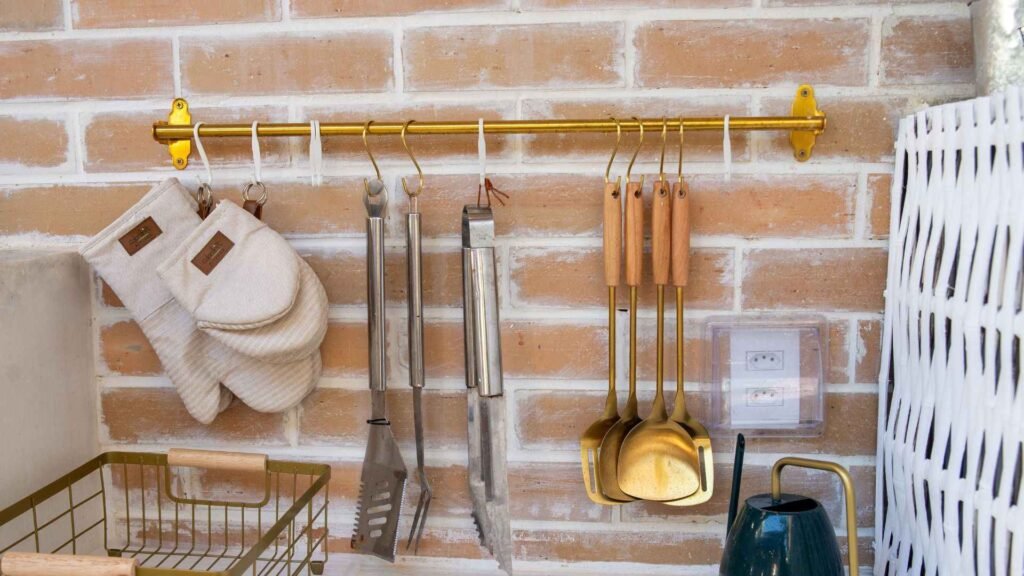
- Oven mitts
- Pot holders
A deep drawer can provide plenty of space for kitchen linens.
If possible, keep clean towels separate from cleaning cloths to make the drawer easier to manage.
16. Use Drawer Dividers Instead of Overcrowding
Drawer dividers can be useful, but they should support your organization system rather than create unnecessary compartments.
Before adding dividers, place similar items inside the empty drawer and see how much space each category needs.
Then create sections based on the actual items you own.
This prevents a common mistake: buying an organizer first and trying to force your belongings into spaces that do not fit.
Adjustable dividers are often useful because your storage needs may change over time.
Leave a little extra room in each section so items can be removed and returned easily.
17. Keep Frequently Used Items Easy to Reach
The most convenient drawers should hold the items you use most often.
For example, everyday utensils should not be stored in the lowest or least accessible drawer if you use them several times a day.
Think about your daily routine.
Items you use frequently may include:
- Cutlery
- Cooking utensils
- Knives
- Measuring tools
- Food wraps
- Dish towels
Specialty items and tools that are rarely used can be stored in less convenient locations.
This simple approach makes the kitchen feel more efficient without requiring additional storage space.
18. Use Drawer Space for Kids’ Kitchen Items
If children regularly eat or help in the kitchen, consider creating a lower drawer for items they can safely access.
Depending on your household, this may include:
- Plastic cups
- Plates
- Napkins
- Child-safe utensils
- Snack containers
This can make everyday routines easier and may reduce the need for children to reach into upper cabinets.
Keep breakable or sharp items out of these drawers.
19. Use Labels When They Make Sense
Labels are not necessary for every drawer, but they can be helpful in kitchens used by several people.
Labels can remind everyone where items belong.
You might label containers or sections for:
- Baking tools
- Snacks
- Wraps
- Spices
- Food storage
- Cleaning supplies
Simple labels are usually enough.
The purpose is to make the system easy to understand, not to create a complicated organization project.
20. Leave Some Empty Space
One of the biggest mistakes people make when organizing drawers is trying to fill every available inch.
A completely packed drawer can become difficult to maintain.
Leaving some empty space allows you to:
- Put items back easily
- Add new items when necessary
- See what you have
- Prevent drawers from becoming jammed
You do not need to maximize every inch of space if doing so makes the drawer harder to use.
A functional drawer is more valuable than a perfectly packed one.
Common Kitchen Drawer Organization Mistakes
Even a well-organized drawer can quickly become messy if the system is too complicated.
Buying Organizers Before Decluttering
First determine what you actually need to store.
Buying trays and bins before decluttering can result in organizers that do not fit your items or waste drawer space.
Creating Too Many Categories
You do not need a separate compartment for every single item.
Simple groups are easier to maintain.
For example, instead of creating five separate categories for small cooking tools, you may only need two sections: everyday tools and specialty tools.
Storing Items Far From Where They Are Used
A perfectly organized kitchen can still feel inefficient if the layout does not match your routine.
Keep cooking tools near the stove, preparation tools near the main workspace, and cleaning supplies near the sink when appropriate.
Keeping Too Many Duplicates
Multiple copies of the same tool can quickly fill a drawer.
Keep the items you use and consider removing unnecessary duplicates.
Forgetting to Maintain the System
Organization is not a one-time task.
Drawers need occasional resets, especially high-traffic areas such as utensil and cooking tool drawers.
How to Keep Kitchen Drawers Organized
Once you have organized your drawers, maintaining them should take very little time.
Put Items Back Immediately
The easiest way to prevent clutter is to return each item to its designated place after using it.
Do a Quick Reset
Every few weeks, open your most-used drawers and straighten anything that has moved out of place.
This may take only a few minutes.
Avoid Random Storage
When you bring a new kitchen item home, decide where it belongs immediately.
If there is no available space, consider whether another item needs to be removed.
Review Drawers Occasionally
Every few months, check for:
- Broken utensils
- Unused gadgets
- Duplicate tools
- Expired food items
- Random clutter
Removing unnecessary items keeps the organization system manageable.
Final Thoughts
The best kitchen drawer organization ideas focus on making everyday tasks easier rather than simply making drawers look neat.
Start by decluttering and grouping similar items together. Give every drawer a clear purpose, keep frequently used tools within easy reach, and organize your kitchen according to the way you cook, prepare food, and clean.
Drawer dividers, trays, bins, and vertical organizers can all be helpful, but you do not need to purchase an organizer for every drawer. Sometimes a simple system and a few basic containers are enough.
Remember to leave some empty space and avoid creating too many complicated categories. The easier your system is to understand, the easier it will be to maintain.
With these simple kitchen drawer organization ideas, you can turn cluttered drawers into practical storage spaces that make your kitchen more efficient and enjoyable to use.
Frequently Asked Questions
How do I organize kitchen drawers efficiently?
Start by emptying and decluttering each drawer. Group similar items together, assign each drawer a specific purpose, and keep frequently used items close to where they are needed.
What should go in kitchen drawers?
Kitchen drawers can store utensils, cooking tools, spices, food wraps, baking supplies, knives, kitchen linens, food storage containers, and other small items used regularly.
How do I organize a deep kitchen drawer?
Use dividers, bins, or vertical organizers to prevent items from becoming stacked in a messy pile. Deep drawers work well for pots, pans, food storage containers, cutting boards, and baking sheets.
How do you organize a small kitchen drawer?
Assign the drawer to one specific category and use small trays or dividers. Avoid storing too many unrelated items together.
How do I stop kitchen drawers from becoming messy again?
Give every item a designated place, return items after use, avoid overcrowding, and do a quick reset every few weeks.