Backyard Privacy Ideas on a Budget: 10 Affordable Solutions
Introduction
Creating a private backyard doesn’t have to mean building an expensive fence or hiring a landscaping contractor. With a few thoughtful changes, you can make your outdoor space feel more secluded while keeping costs under control.
Whether neighbors can see directly into your patio, your garden feels exposed to the street, or you simply want a quieter place to relax, there are several affordable ways to improve privacy. Outdoor curtains, DIY screens, climbing plants, and strategically placed planters can all help, depending on your space and budget.
The best solution depends on how much privacy you need, how quickly you want it, and whether you’re allowed to make permanent changes to your yard. Here are practical backyard privacy ideas that balance affordability, appearance, and everyday usefulness.
Quick Answer
The most affordable backyard privacy ideas often include DIY wooden screens, tall planters, outdoor curtains, climbing plants, and repurposed materials. You don’t necessarily need to enclose your entire yard to make it feel private.
Start by identifying the area you want to screen, such as a seating area, patio, or outdoor dining space. Then choose a solution that fits your budget and provides the right amount of coverage.
- Fast privacy: Outdoor curtains or a freestanding privacy screen.
- Natural privacy: Tall plants, shrubs, or climbing vines.
- Small backyard: Vertical planters or a narrow trellis.
- Rental property: Freestanding screens and movable planters.
- Long-term boundary privacy: Suitable shrubs or a fence, where permitted.
- Lowest-cost approach: Rearrange existing outdoor furniture and use materials you already own before buying anything new.
Quick Comparison: Which Backyard Privacy Idea Is Best?
| Privacy Idea | Relative Cost | Privacy Level | Time to Work | Best For |
|---|---|---|---|---|
| DIY wooden screen | Low–Moderate | High in the screened area | Immediate | Patios and seating areas |
| Tall planters | Low–Moderate | Low–Moderate | Immediate | Small yards and balconies |
| Outdoor curtains | Low–Moderate | High when closed | Immediate | Covered patios and pergolas |
| Climbing plants on a trellis | Low–Moderate | Moderate–High over time | Gradual | Natural-looking privacy |
| Tall shrubs | Moderate | Moderate–High once established | Gradual | Yard boundaries |
| Repurposed wood panels | Low if materials are available | Depends on design | Immediate | DIY projects |
| Bamboo screening | Low–Moderate | Moderate–High | Immediate | Existing fences and boundaries |
| Vertical garden | Low–Moderate | Low–Moderate | Immediate to gradual | Narrow spaces |
| Rearranged outdoor furniture | Very low | Limited | Immediate | Temporary screening |
| Pergola with side screening | Moderate–High | Variable | Immediate once installed | Larger patios |
Cost and privacy are relative estimates. Actual costs depend on local prices, dimensions, materials, and installation. A screen may block views at sitting height without providing privacy from upstairs windows.
1. Build a Simple DIY Privacy Screen
A DIY privacy screen can be one of the most practical ways to create a secluded outdoor seating area without fencing the entire backyard.
Instead of enclosing the whole property, place a screen beside your patio, outdoor sofa, dining table, or favorite garden bench. This focuses your spending on the part of the yard where privacy matters most.
How to create one on a budget
- Measure the area you want to screen.
- Choose affordable, weather-suitable materials, such as simple timber slats or suitable reclaimed wood.
- Build a freestanding frame or attach screening to an appropriate existing structure.
- Leave small gaps between slats if you want airflow and filtered light.
- Secure the screen against tipping, especially in windy conditions.
You can paint or stain the finished screen to complement your outdoor furniture and garden.
What to consider
Wood prices and construction costs vary, so compare the price of materials before starting. Reclaimed wood may reduce expenses, but it should be structurally sound and suitable for outdoor use.
A screen also needs to be stable. Don’t rely on a lightweight frame that could fall over in strong winds.
Best for: Homeowners who want immediate privacy around a particular seating area without building a full boundary fence.
2. Use Tall Planters to Block Unwanted Views
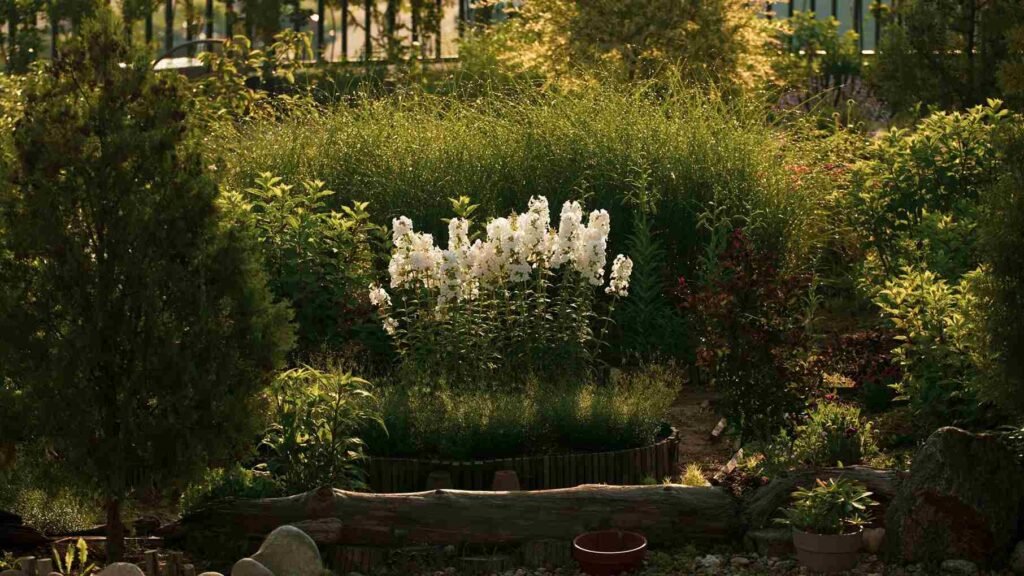
Tall planters offer a flexible way to create a more private backyard while adding greenery. They’re particularly useful when you want to screen a patio, separate outdoor zones, or soften the appearance of an exposed boundary.
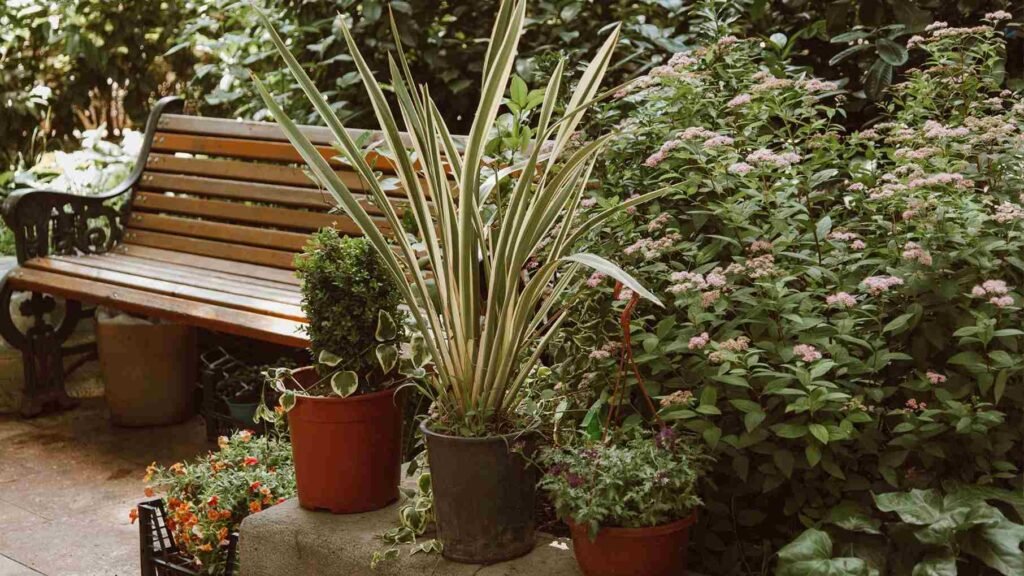
You can line several planters along the edge of a seating area or position one or two large containers beside an outdoor sofa.
How to keep costs down
Start with containers you already own or look for simple, durable pots instead of decorative designer planters. You can also reuse suitable containers if they provide proper drainage and are safe for growing plants.
Choose plants according to your climate, available sunlight, container size, and watering routine. Taller plants can provide more coverage, but their mature size and growth habits matter.
Advantages
- Planters can be rearranged when needed.
- They work well in small spaces.
- Greenery makes patios feel more inviting.
- You can combine several containers to screen a wider area.
Limitations
Planters generally provide partial rather than complete privacy unless the plants are sufficiently tall and dense. Large containers filled with soil can also become heavy and difficult to move.
Best for: Small backyards, patios, renters, and people who prefer a flexible, plant-based solution.
3. Hang Outdoor Curtains on a Covered Patio
If your backyard has a pergola, covered porch, or suitable overhead structure, outdoor curtains can create a more secluded space without enclosing the entire yard.
Draw them closed when you want privacy, then open them to let in light and enjoy the view.
For a budget-friendly setup, compare outdoor curtain panels with other weather-suitable fabric options that are specifically appropriate for your intended use.
Installation tips
- Measure the width and height of the opening first.
- Choose fabric intended for outdoor conditions.
- Use a suitable curtain rod or track.
- Secure the hardware properly.
- Check whether the curtains can be removed easily for cleaning or severe weather.
Outdoor curtains can also soften a patio and make it feel more like an extension of your indoor living space.
What to consider
Curtains won’t provide reliable privacy when they are open, and lightweight fabric can move significantly in the wind. They also won’t protect a completely exposed backyard unless you have a suitable structure to support them.
Best for: Covered patios, pergolas, and outdoor dining areas where you want adjustable privacy without permanent walls.
4. Grow Climbing Plants on a Trellis
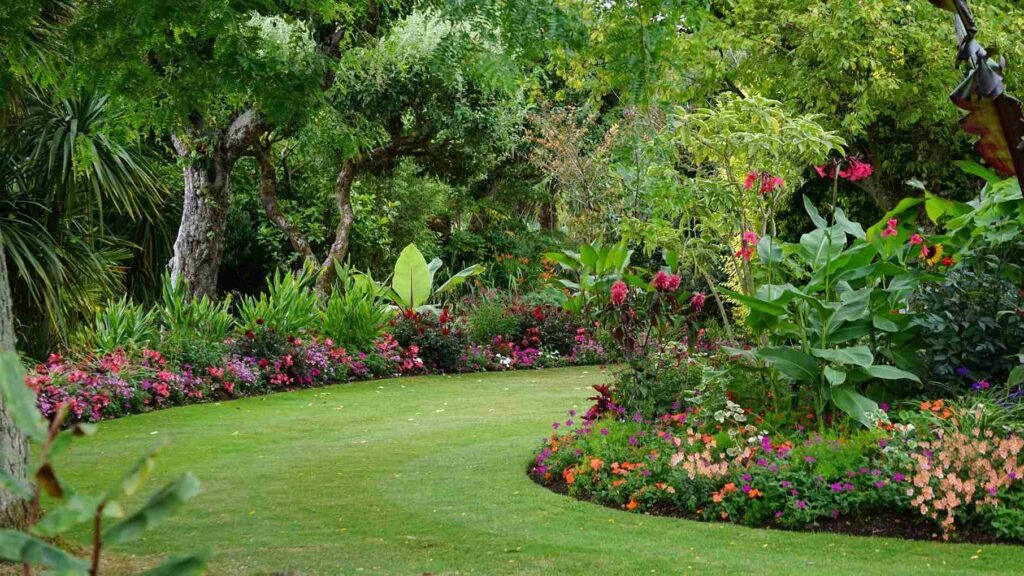
Climbing plants can create a natural privacy screen without requiring a solid fence. A trellis covered with suitable vines can soften an exposed backyard and add greenery to an otherwise plain wall or boundary.
This approach works particularly well beside patios, along garden boundaries, or around outdoor seating areas.
How to do it affordably
Start with a basic wooden or metal trellis, then select a climbing plant suited to your local climate, sunlight, and available space. Attach the trellis securely to an appropriate support or use a stable freestanding structure.
Choose plants according to how quickly they grow and how much maintenance they require. Some vines need regular pruning, while others may spread aggressively.
Advantages
- Adds natural color and texture.
- Can provide increasing privacy as the plants grow.
- Works well in narrow spaces.
- Can make a basic fence or wall more attractive.
What to consider
Climbing plants rarely provide instant, complete coverage. Growth depends on the species, climate, sunlight, watering, and growing conditions. Check whether the plant is invasive or unsuitable for your area before planting it.
Best for: People who want a natural-looking privacy screen and are willing to wait for plants to establish.
5. Add Bamboo Screening to an Existing Fence
If your backyard already has a fence that leaves gaps or feels visually unappealing, bamboo screening may be a relatively simple way to improve its appearance and privacy.
Bamboo rolls or panels can be attached to a suitable existing structure, depending on the product and installation requirements.
How to keep costs down
Measure the section you need to cover instead of buying enough material for the entire boundary. Compare panel dimensions and durability, and check whether your existing fence can support the additional weight.
You may only need to screen the section directly behind your patio or garden seating area.
Advantages
- Provides coverage immediately after installation.
- Can soften the appearance of an ordinary fence.
- Offers a natural texture.
- May be cheaper than replacing an entire fence.
What to consider
Bamboo screening varies in density, durability, and weather resistance. Some products provide visual screening without completely blocking views. Wind exposure and secure attachment are also important.
Best for: Backyards with an existing fence that needs extra screening or a visual refresh.
6. Repurpose Materials for a DIY Privacy Wall
If you enjoy DIY projects, reclaimed materials may help reduce the cost of creating a backyard privacy screen.
Suitable leftover timber, sound wooden panels, or other reusable materials can sometimes be turned into a screen for a patio or seating area.
Ideas to consider
- Reuse sound timber from an existing project.
- Build a simple slatted screen from suitable offcuts.
- Refresh an old, structurally sound screen with exterior paint.
- Repurpose sturdy wooden panels for a designated outdoor area.
Before using reclaimed materials, check for rot, splinters, protruding nails, and structural weaknesses. Avoid materials with unknown treatments or finishes that may be unsuitable for outdoor use.
Why this can work
The biggest savings come when you already have suitable materials and basic tools. If you need to purchase tools, hardware, and new lumber, a reclaimed-material project may not be cheaper than buying a ready-made screen.
Best for: DIY enthusiasts who have access to suitable reclaimed materials.
7. Create a Privacy Screen With Tall Shrubs
Tall shrubs can provide long-term privacy along a boundary without necessarily building a solid fence.
Depending on the species, mature shrubs can create a dense green screen that blends naturally into the garden.
How to choose the right plants
Before buying shrubs, consider:
- The mature height and width.
- How quickly the plants grow.
- Sunlight and soil conditions.
- Watering requirements.
- Pruning and maintenance needs.
- Whether the plants are suitable for your region.
Native or locally adapted species may be worth considering because they can suit local growing conditions, although their water and maintenance needs still vary.
Is this a cheap option?
Planting small shrubs may cost less initially than installing a large fence, but the plants take time to grow. You should also account for watering, maintenance, and replacement costs if plants fail to establish.
Best for: Homeowners who want a long-term, natural boundary screen rather than immediate privacy.
8. Use a Vertical Garden in a Small Backyard
When floor space is limited, vertical gardening can add greenery without taking up much room.
A wall-mounted planter system or suitable freestanding vertical structure can create a visual screen around a small patio, courtyard, or outdoor seating area.
How to make it work
Choose a structure designed to support the weight of its containers and mature plants. Consider sunlight, drainage, watering access, and the weight of wet soil.
If privacy is your main goal, select plants that will eventually provide sufficient coverage rather than choosing them only for decorative appeal.
Advantages
- Makes use of otherwise unused vertical space.
- Adds greenery to compact outdoor areas.
- Can be customized to suit different layouts.
- Works well alongside other screening methods.
Limitations
A vertical garden does not automatically create a solid privacy barrier. Plants may leave gaps, and some systems need regular watering and maintenance.
Best for: Small courtyards, narrow patios, and homeowners who want greenery without sacrificing much floor space.
9. Rearrange Outdoor Furniture to Block Direct Views
One of the cheapest backyard privacy improvements may involve changing what you already own.
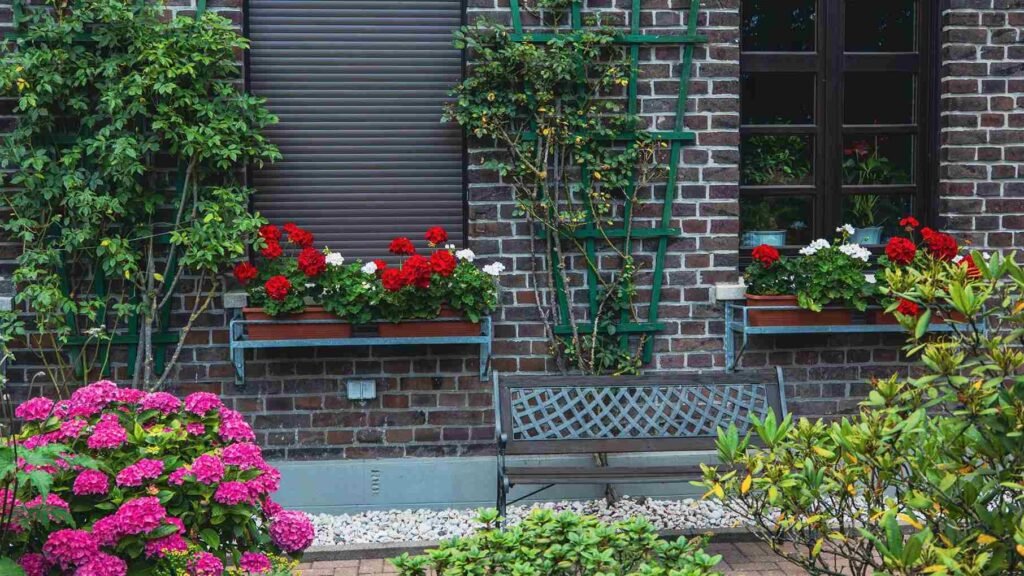
A sofa, bench, tall outdoor cabinet designed for exterior use, or large planter may help block a direct line of sight into a seating area.
Instead of positioning furniture in the center of an exposed patio, try arranging it so the seating faces away from neighboring windows or streets.
Try this approach
- Identify the direction from which people can see into the yard.
- Move the seating area away from that line of sight.
- Place suitable planters or existing outdoor furniture strategically.
- Use a screen only where the rearrangement leaves an obvious gap.
This won’t create complete privacy, but it can make a small outdoor area feel more secluded without construction costs.
Best for: Renters, small patios, and anyone who wants to improve privacy before spending money.
10. Add a Pergola With Side Screening
A pergola with side screens can create a more enclosed outdoor living area, particularly when the main concern is privacy around a patio or dining space.
Depending on the design, you can combine the structure with curtains, slatted panels, climbing plants, or suitable screens.
However, this option can cost considerably more than a simple freestanding screen because it may require a structure, hardware, and installation.
How to approach it on a budget
If you already have a pergola, add screening only to the sides where privacy is needed. You may not need to enclose the entire structure.
If you do not have one, compare the full cost of the frame, screening, installation, and any necessary permits before starting.
Best for: Homeowners who already have a pergola or want to create a more private outdoor living space as a larger project.
Which Backyard Privacy Idea Is Best for a Small Yard?
Small backyards benefit most from solutions that screen the areas where privacy matters without taking up too much space.
| Situation | Practical Option | Why It Works |
|---|---|---|
| Small patio | Freestanding screen | Provides targeted coverage |
| Narrow garden | Trellis with climbing plants | Uses vertical space |
| Rental backyard | Movable planters | Can be rearranged |
| Exposed seating area | Outdoor curtains | Provides adjustable screening |
| Existing fence with gaps | Bamboo screening | Adds coverage without replacing the whole fence |
| Very limited budget | Rearranged furniture | Uses what you already own |
For small yards, avoid installing large planters or bulky screens that make the space difficult to move around in. Measure first and preserve clear walking routes.
Common Mistakes to Avoid
Trying to Hide the Entire Backyard
You may only need privacy around the seating area or dining table. Screening a smaller section can reduce costs and make the yard feel less enclosed.
Choosing Plants Without Checking Their Mature Size
A shrub that fits perfectly today may eventually grow too wide or tall for the space. Check its expected mature dimensions before planting.
Ignoring Wind and Stability
Screens, curtains, and planters can become unstable in strong winds. Choose appropriate supports, secure installations properly, and follow the manufacturer’s instructions.
Buying Materials Before Measuring
Measure the area and decide how much coverage you need before shopping. This reduces waste and makes it easier to compare prices accurately.
Forgetting Local Rules
Fence height, boundary placement, property restrictions, and neighborhood rules can affect what you are allowed to install. Check the relevant requirements before building a permanent screen or fence.
Frequently Asked Questions
What is the cheapest way to create backyard privacy?
The cheapest approach is often to rearrange existing furniture, use materials you already own, or screen only a small seating area. The actual cost depends on what you have available and how much coverage you need.
How can I make my backyard private without a fence?
Consider outdoor curtains on a suitable covered patio, freestanding screens, tall planters, trellises, climbing plants, or strategically arranged outdoor furniture.
What plants are best for backyard privacy?
The best plants depend on your climate, available space, sunlight, and desired height. Look for suitable shrubs or climbing plants that provide the coverage you need without becoming invasive or requiring excessive maintenance.
How can I get immediate backyard privacy?
A suitable freestanding screen, outdoor curtains, or screening attached to an existing fence can provide immediate visual coverage. Plants usually require time to grow.
How do I add privacy to a rental backyard?
Movable planters, freestanding screens, and temporary curtain systems may be suitable options, provided they comply with your lease and do not damage the property.
Does a privacy screen block views from upstairs windows?
Not necessarily. A screen designed for sitting-height privacy may not block views from elevated windows. Consider the viewing angle and the height of the neighboring windows before choosing a solution.
Final Thoughts
Creating a private backyard does not have to involve an expensive fence or a complete landscaping makeover.
Start by identifying the area where privacy matters most, then choose a solution that fits your budget and the amount of coverage you need. DIY screens and curtains can offer quick results, while climbing plants and shrubs provide a more natural solution over time.
For the biggest savings, measure before buying, reuse suitable materials, and avoid paying to screen areas that do not need it.
The best backyard privacy idea is the one that makes your outdoor space more comfortable without creating unnecessary expense or maintenance.